GrowCA Voter Guide
Last Updated: April 20, 2026

Our Endorsements

Updated: April 20, 2026

California

Candidates

Federal

Candidates

California's top-two nonpartisan primary election is on June 2, 2026. The top two vote-getters in each race — regardless of party — advance to the November general election.

This guide covers statewide races plus federal and state legislative races relevant to San Francisco voters. Endorsements are coming soon — check back as we add our analysis.

How To Vote

Your county elections office will begin mailing ballots by May 4, 2026. Vote centers open for early in-person voting on May 23, 2026. The filing deadline for candidates is March 6, 2026, so the candidate lists below may change.

Vote by mail

  • Mail your ballot no later than Tuesday, June 2nd, 2026

Vote in person

  • Vote at your local vote center or polling place on Election Day, Tuesday June 2, 2026

Explaining our endorsements

California

Governor

Vote Matt Mahan

We recommend voting for Matt Mahan for Governor.

As Mayor of San Jose, Mahan has done what most Sacramento candidates have only promised: unsheltered homelessness dropped nearly 23% from 2019 levels while the rest of the state got worse, San Jose earned the title of America's safest big city, and thousands of new homes were unlocked through fee cuts and permitting reform. He is the only candidate in this race making a clear case for practical, results-oriented governance — and he has the record to back it up.

We're issuing a strong endorsement because his priorities and record are closely aligned with GrowSF's. Voters should know that Mahan entered the race late and is currently polling in the single digits in a crowded field. But early polls lag name recognition and ad spend, and we are more interested in whether a candidate is serious than whether they are currently generating the most media oxygen.

California simply costs too much, and we need to get back to basics to make our state work again.

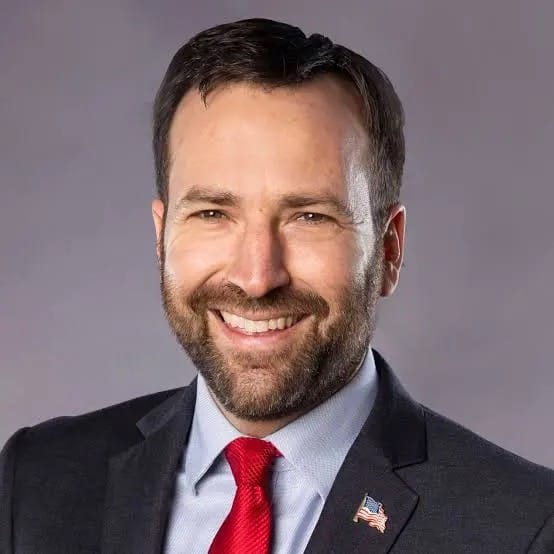
Matt Mahan headshot
Matt MahanMayor of San Jose

Why vote for Matt Mahan?

Matt Mahan's top policy goals are:

1. Cut the cost of housing

California doesn't have a housing shortage because people don't want to build... it has one because government makes building too expensive, too slow, and too legally difficult. Mahan's housing plan attacks all three: cap excessive local fees, require timely approval of projects, simplify CEQA, and update building rules that drive unnecessary cost.

He didn't just design these policies in a campaign office, he enacted them. In San Jose, Mahan's slashed fees and approved construction tax waivers to get stalled downtown projects moving. He even launched an AI-powered pre-review system for building permits that reduced the most common cause of delays. For San Francisco voters, the governor's most important affordability job is making it easier to build housing. Mahan gets that, and he has already started doing it.

2. End street encampments — with real accountability

California has spent billions on homelessness yet still has over 180,000 people unhoused. Mahan's diagnosis is blunt: the state built housing too slowly and too expensively, treated street homelessness as a lifestyle choice rather than a crisis requiring intervention, and let smaller cities off the hook by concentrating the problem in big cities.

His answer is the model he built in San Jose: quick-build interim housing that is cost-effective and dignified, a legal obligation to come indoors when shelter is available, and aggressive use of CARE Court and Prop 36 to mandate treatment for people with serious addiction and mental illness. The results are real: San Jose's unsheltered population dropped ~23% since 2019, a counter-trend against statewide numbers that continued to worsen. As Governor, he would apply a "functional zero unsheltered" metric statewide and tie funding to outcomes.

3. Govern with outcomes, not headlines

One of the recurring frustrations with Sacramento is the gap between what gets announced and what gets delivered. Mahan has a specific fix: tie funding to results, publish public dashboards so everyone can see what's working, and cut off programs that fail. His "Progress Audit" would review every state department, find the waste, and move those dollars to programs that actually deliver.

His case is simple and persuasive: before asking Californians to pay more in taxes, government should show it can do better with what it has. San Francisco voters know exactly why that matters. We have watched too many public systems tolerate cost overruns, delays, and weak follow-through while calling it progress.

On other issues

Public safety: Mahan supported Prop 36 when it was politically inconvenient to do so. He supports wider use of real-time intelligence tools, stronger enforcement against organized drug trafficking, and more scrutiny of repeat-offender failures. San Francisco voters looking for a Democrat who will talk plainly about crime and street disorder will find that here.

Education: Mahan wants schools to teach reading with phonics (which works), add more tutoring, and hold schools accountable for results. That matters to SF families who want kids to actually learn, not sit through more process.

Transit and infrastructure: He wants to tie transit funding to whether people actually ride it and whether it runs well. The Bay Area has 27 transit agencies — Mahan wants to cut that overhead. San Francisco benefits when the state rewards good service instead of just writing checks.

Behavioral health and fentanyl: Mahan wants to add at least 10,000 treatment beds by 2030, make it easier to get people with serious mental illness into treatment through CARE Court, and use technology to go after drug trafficking networks. He'd move money from programs that aren't working to ones that are.

Mahan is not promising a fantasy version of California politics where every problem disappears if we spend more and say nicer things. He is making a more serious argument: build capacity faster, enforce standards, measure results, and stop funding failure. That is why we recommend voting for Matt Mahan for Governor.

Who's running?

CandidatePartyProfessionQuestionnaire
Matt Mahan
DemocraticMayor, San JoseRead it
Tony K. Thurmond
DemocraticCalifornia State Superintendent of Public InstructionNo Response
Katie Porter
DemocraticConsumer Protection AdvocateNo Response
Steve Hilton
RepublicanSmall Business OwnerNo Response
Xavier Becerra
DemocraticVoting Rights AttorneyNo Response
Chad Bianco
查德‧比安科
RepublicanRiverside County SheriffNo Response
Tom Steyer
DemocraticClimate AdvocateNo Response
Antonio Villaraigosa
DemocraticHousing Affordability AdvocateRead it

Lieutenant Governor

Vote Josh Fryday

We recommend voting for Josh Fryday for Lieutenant Governor.

The Lieutenant Governor sits on the State Lands Commission, holds voting seats on the UC Regents, CSU Trustees, and Community Colleges Board of Governors, and chairs the Commission for Economic Development. Most candidates treat this office as a stepping stone. Fryday treats it as a job — and he has a specific plan for every one of those tools.

His top priority is housing, and his plan is the most ambitious in this field. California's public universities and state agencies sit on vast amounts of developable land near jobs and transit. Fryday wants to use his board votes to push every UC, CSU, and community college campus to build student and workforce housing on that land — with a target of a million units committed or permitted on public and campus land, tracked and reported publicly. The model already exists: UC Irvine's University Hills provides below-market-rate housing for faculty and staff on university land through long-term leases with developers. Fryday wants to scale that across every campus in the state. He'd also use the State Lands Commission to unlock surplus state parcels near job centers and transit corridors for housing production.

We have become the party of good intentions and I will make it my top priority to refocus us on the only thing that matters, which is results.

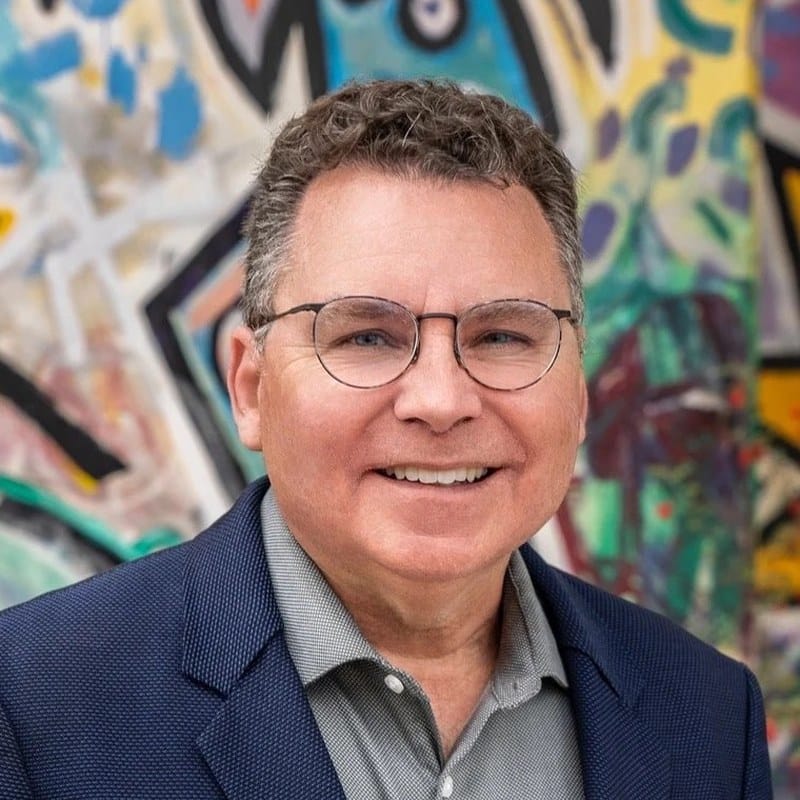
Josh Fryday headshot
Josh FrydayCandidate for Lieutenant Governor

The Lieutenant Governor also chairs the Commission for Economic Development — a body that hasn't met in over 15 years. Fryday plans to relaunch it, bringing together business, labor, and higher education leaders to coordinate on workforce needs, clean energy investment, and the business environment. It's exactly the kind of dormant tool a motivated Lieutenant Governor should be dusting off.

Fryday would use the State Lands Commission to fast-track permitting for offshore wind and solar on public lands. Interconnection wait times for new projects have ballooned from under two years to over five — and building at the sites of retiring fossil fuel infrastructure could cut those timelines to under a year. He also supported extending the Diablo Canyon nuclear lease, a pragmatic call that prioritizes carbon-neutral energy production over ideological purity.

California's construction workforce has been hollowed out, driving up labor costs and slowing down the housing production the state desperately needs. Fryday built CaliforniaVolunteers into the largest service corps in the country as California's Chief Service Officer, and he wants to expand apprenticeships, community college-to-career pipelines, and bring trade certifications into high schools through "credit for prior learning" programs — so students can earn credentials for real work experience before they graduate. His father worked in construction, and he's been blunt about the fact that California has valued four-year degrees over the trades for too long.

What about Michael Tubbs?

Michael Tubbs has real governing experience — as Mayor of Stockton, he took over a city reeling from the largest municipal bankruptcy in California history and turned it around. Homicides dropped 40%, and his guaranteed income pilot showed that direct cash support helped people find work. He also served as Governor Newsom's special advisor on economic mobility. We gave the edge to Fryday because he has a more specific plan for using the office's statutory tools — the board seats, the State Lands Commission, the Economic Development Commission — and his targets on housing and clean energy are the most concrete and measurable in this field.

Who's running?

CandidatePartyProfessionQuestionnaire
Josh Fryday
DemocraticGovernor's Cabinet MemberRead it
Michael Tubbs
DemocraticAnti-Poverty Non-Profit DirectorRead it
Tim Myers
DemocraticBusinessman/Musician/ProducerNo Response
Fiona Ma
馬世雲
DemocraticState Treasurer/CPARead it
Oliver Ma
DemocraticCivil Rights LawyerNo Response
Janelle Kellman
DemocraticClimate Risk ExecutiveNo Response

Attorney General

Vote Rob Bonta

Rob Bonta has been an effective Attorney General, and we're happy to endorse him for another term.

For San Francisco voters, Bonta's most important work has been on housing. He co-sponsored SB 1037 with Scott Wiener, which gave the AG's office real teeth to fine cities that block housing — and he has used them. His office has forced compliance from cities across California that were illegally stalling housing plans, including settlements with Fullerton, Norwalk, Elk Grove, and Huntington Beach. When the city of Woodside tried to claim it was a cougar habitat to dodge SB 9, Bonta shut it down. Every home that gets built because a NIMBY city was forced to follow the law makes San Francisco's regional housing market a little less insane.

He's also gone after anticompetitive behavior in the rental market. His office got a $7M settlement from Greystar, the nation's largest landlord, for using software to coordinate rent prices with competitors — basically a cartel run through an algorithm. That kind of enforcement matters to every renter in the Bay Area.

Bonta has also been active defending California against the Trump administration, filing over 50 lawsuits on issues from immigration to environmental protections.

Who's running?

CandidatePartyProfessionQuestionnaire
Rob Bonta
羅布‧邦塔
DemocraticIncumbentRead it
Marjorie Mikels
瑪喬麗‧米克爾斯
GreenAttorney/Justice AdvocateNo Response
Michael E. Gates
邁克爾‧E.‧蓋茨
RepublicanDeputy United States AttorneyNo Response

Secretary of State

Vote Shirley N. Weber
Preliminary endorsement — Shirley N. Weber has not returned our questionnaire.

Shirley Weber has done the job competently, and we endorse her for another term.

The Secretary of State's primary job is running California's elections, and Weber has done it without drama — which is exactly what you want. Under her tenure, California hit a record 22.6 million registered voters in 2024, and over 5 million Californians signed up for ballot tracking through the "Where's My Ballot" system. She's also expanded same-day voter registration and grown the number of Voter Choice Act counties, which give voters more flexibility in where and when they cast their ballots.

When the federal government demanded access to California's statewide voter registration database, Weber refused and won in court.

We'd like to see her push harder on campaign finance transparency. The state's Cal-Access disclosure database is difficult to use and makes it too hard to trace certain types of electoral spending. Voters deserve full transparency around political money.

Who's running?

CandidatePartyProfessionQuestionnaire
Shirley N. Weber
雪莉‧N.‧韋伯
DemocraticCalifornia Secretary of StateNo Response
Donald P. Wagner
唐納德‧P.‧瓦格納
RepublicanOrange County SupervisorNo Response

Controller

Vote Malia M. Cohen
Preliminary endorsement — Malia M. Cohen has not returned our questionnaire.

Cohen knows public finance, and she knows San Francisco.

Before becoming Controller, Cohen chaired the Budget and Finance Committee and the Audit and Oversight Committee on the SF Board of Supervisors. After that, she ran the San Francisco Employees' Retirement System, a $35 billion pension fund. Now she sits on the boards of CalPERS and CalSTRS, the two biggest public pension funds in the country, with almost $1T in assets, combined.

She also went after California's largest-ever charter school fraud. Cohen led a task force that came up with 20 fixes for how the state checks school finances — tougher rules for auditors, faster reporting, and more disclosure. Her office also publishes pay data for over 2 million government workers across 5,000+ agencies.

We would like to see the Controller's Office return $15B in unclaimed property such as forgotten bank accounts and uncashed checks that belong to Californians. Other states send it back automatically — California still doesn't. Overall, Cohen has brought transparency and accountability to the state's spending.

Who's running?

CandidatePartyProfessionQuestionnaire
Malia M. Cohen
郭嫻
DemocraticState Controller/MotherNo Response
Herb W Morgan
RepublicanChief Investment OfficerRead it
Meghann Adams
梅根‧亞當斯
Peace & FreedomSchool Bus DriverNo Response

Treasurer

Vote Eleni Kounalakis

We recommend voting for Eleni Kounalakis for State Treasurer.

The Treasurer chairs CDLAC (which decides how billions in tax-exempt bonds get spent) and CTCAC (which hands out the federal tax credits that make affordable housing possible). If those agencies move slowly, housing doesn't get built. Kounalakis is the only candidate in this race who has actually built housing, financed infrastructure, and managed large-scale investments in the private sector.

Kounalakis named three measurable outcomes voters should use to judge her after two years: more housing units financed through state programs with faster time to delivery, pension returns that meet or exceed benchmarks with improved transparency, and significant growth in CalSavers, CalKIDS, ScholarShare 529, and CalABLE enrollment — especially among working families and underserved communities. That kind of accountability is rare in a statewide race.

I will focus on lowering financing costs, unlocking capital, and partnering with local governments to move projects from approval to construction faster — because affordability depends on supply.

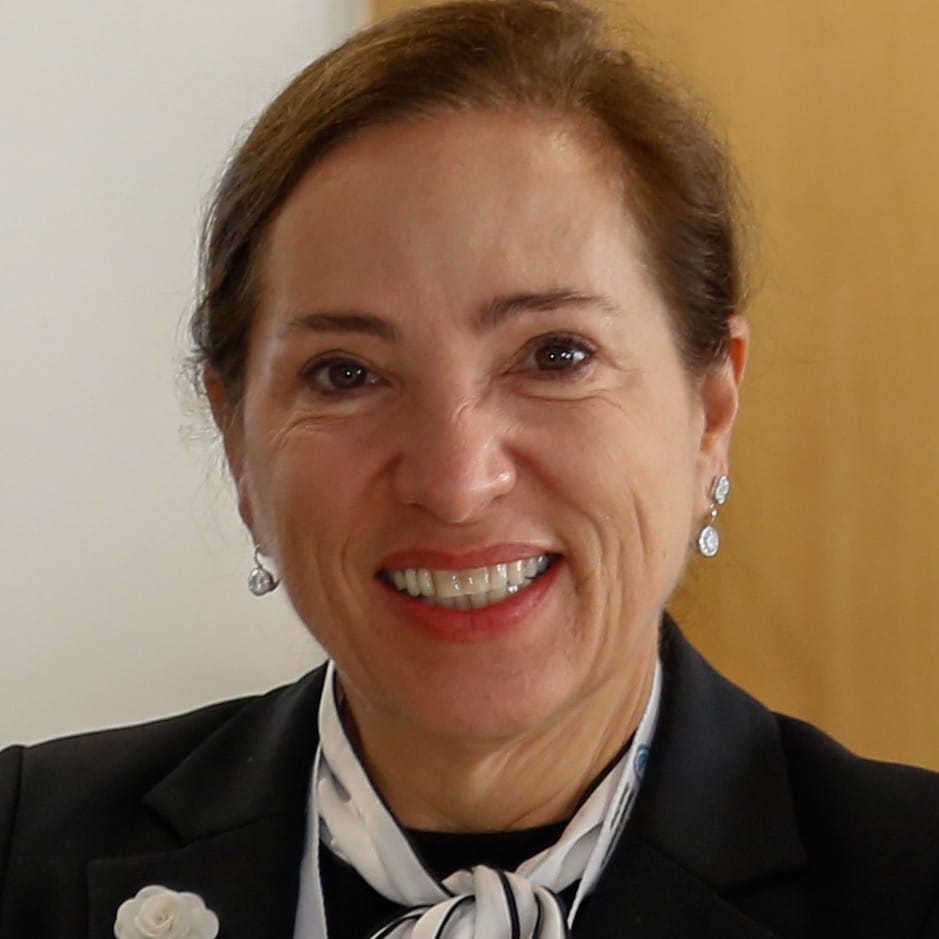
Eleni Kounalakis headshot
Eleni KounalakisLieutenant Governor of California
On fiscal discipline, she's specific: hold the state's debt-service-to-General Fund ratio at or below 6%, publish a public "California Balance Sheet" dashboard tracking bond debt, pension assets, and investment performance in plain language, and push for stable pension returns with downward pressure on fees. California's heavy reliance on capital-gains tax revenue creates boom-and-bust budget cycles — Kounalakis would align cash management with economic cycles, maintaining liquidity during downturns rather than borrowing at the worst time.

Before entering public life, Kounalakis spent nearly two decades as a housing developer at AKT Development, building master-planned communities in the Sacramento region where thousands of California families now live. She has firsthand experience with the bond financing, tax credit programs, and capital market tools that the Treasurer's office controls. As Lieutenant Governor, she sits on the governing boards of the UC, CSU, and Community College systems — including voting to approve construction of over 60,000 new student housing beds statewide.

Anna Caballero has a strong housing record — she wrote SB 6, the Middle Class Housing Act, which lets developers build housing on commercial land across California, and she ran the state's Business, Consumer Services and Housing Agency for five years under Governor Brown. That experience is real, and California YIMBY has endorsed her. But the Treasurer's job is less about writing housing laws and more about managing the state's money — bonds, investments, pensions, and cash. Kounalakis brings the private-sector financial experience this job demands. That's why she has our endorsement.

Who's running?

CandidatePartyProfessionQuestionnaire
Eleni Kounalakis
DemocraticLieutenant Governor of CaliforniaRead it
Anna M. Caballero
DemocraticCalifornia State SenatorNo Response
Tony Vazquez
DemocraticMember, State Board of EqualizationNo Response

Insurance Commissioner

Vote Patrick Wolff

We recommend voting for Patrick Wolff for Insurance Commissioner. This was a close call — Ben Allen is also an excellent candidate, and we'd be happy to see either in the general election.

California's insurance market is broken. Insurance companies are leaving the state, the FAIR Plan has blown up to 610,000+ policies (up 154% since 2021), and homeowners in fire-prone areas are getting pushed into a bare-bones backup plan that just asked for a 36% rate hike. The next Insurance Commissioner needs to understand what's actually broken and how to fix it.

Why Patrick Wolff?

Wolff is a financial analyst who spent four years at Capital One building a home and auto insurance business and has spent 25 years analyzing insurance companies and markets. He's the only candidate in this race with a California insurance license. His diagnosis is precise: the Department of Insurance is "too lax regulating insurance companies' behavior, yet too strict controlling their market access."

I believe the root of California's insurance crisis is we have been electing the wrong people to be Insurance Commissioner. We have been electing politicians who treat the role as a stepping stone rather than people with genuine expertise.

Patrick Wolff headshot
Patrick WolffFinancial Analyst

His plan: cut the filing review timeline from 300 days to 60 days (the standard in other states), strengthen the Sustainable Insurance Strategy, and publish a public "claims report card" grading every insurer on how they handle claims — shown to consumers before they buy. He also identified a specific CDI regulatory failure: the 85% market-share rule that defined "fire-prone areas" by ZIP code, letting first-movers cherry-pick safe homes and leaving the riskiest ones behind. That level of diagnostic precision matters when you're regulating a market this complex.

Beyond property and casualty insurance, Wolff wants to merge the CDI's health insurance oversight with the Department of Managed Healthcare (currently split ~5%/95%, unique to California), and he's flagged the growing risk of private equity firms buying life insurance companies and leveraging their balance sheets. These aren't headline issues, but they're exactly what a technically skilled Commissioner should be spotting. San Franciscans know Wolff as the founder of Families for San Francisco, the group that helped drive the 2022 school board recall. In a field dominated by career politicians, Wolff is an actual practitioner with a credible plan to help fix California's insurance market.

Why Ben Allen is also worth your consideration

This was a very close decision. Ben Allen is a State Senator who has spent over a decade working at the intersection of insurance, climate, and consumer protection — and his case is strong.

Allen represents the communities devastated by the Palisades Fire. He spent the aftermath helping hundreds of constituents fight for their insurance claims, giving him what he calls "a front-row seat to our broken insurance system." That experience isn't theoretical. He watched the FAIR Plan nearly collapse under $4 billion in losses, with costs spread to policyholders statewide via a $1 billion emergency assessment — and he identified it as proof that letting the FAIR Plan grow unchecked creates systemic risk.

Standing amid smoke, ashes, and uncertainty, I saw what failure looks like.

Ben Allen headshot
Ben AllenCalifornia State Senator

Allen has also legislated on the root cause. He authored Proposition 4, a $10 billion bond for wildfire risk reduction and water infrastructure — a direct investment in reducing the underlying risk that makes insurance expensive. Most Insurance Commissioner candidates talk about reforming rate approvals. Allen has already put $10 billion on the table to reduce the risk itself.

His plan for the office pairs regulatory flexibility for insurers with hard accountability: if they get more flexibility to reflect risk, they must write and renew policies in California. He also wants an independent consumer advocate inside the CDI, public dashboards tracking insurer behavior, and a ban on Commissioners working for the insurance industry after leaving office.

We gave the edge to Wolff because the Insurance Commissioner is fundamentally a regulator, and Wolff's technical insurance expertise is unmatched in this field. But Allen's legislative track record, coalition-building skill, and personal connection to the crisis make him an excellent candidate. We'd be happy to endorse him in a general election matchup.

Why not Jane Kim?

Jane Kim is a career politician who went from being a San Francisco Supervisor, to losing her run for State Senate, to running a socialist political party (the Working Families Party), and now wants to nationalize the insurance industry. She has zero relevant experience in insurance, no insurance license, and no financial services background. She's running on a plan called "Disaster Insurance for All" — a government-run program that would replace private disaster coverage. You'd pay a fee based on your home value and income, and the state would cover wildfires, earthquakes, and floods.

Her plan reveals a fundamental misunderstanding of what insurance is. Insurance works by spreading risk across a big pool — including global markets that can absorb huge losses. Kim would dump all of California's disaster risk onto one state-run account. In theory, a government insurer could buy backup coverage from global markets the way New Zealand does. But in practice, politicians won't let a public insurer charge what the risk actually costs — that's the whole reason they created it. Florida proves the point: its state-run insurer pays market rates for backup coverage while charging customers about half what it should. Taxpayers cover the gap.

We've already seen this movie in California. The FAIR Plan — the state's existing backup insurer — got hit with $4 billion in losses from the LA fires, ran out of money, and had to charge private insurers a $1 billion emergency fee just to stay alive. That's with only 610,000 policies. Kim wants to put every California homeowner on a plan like this. The models she points to aren't success stories either — New Zealand's earthquake insurer was overwhelmed after the 2011 Christchurch quake, underpaid people for over a decade, and is now getting sued.

There's also a massive subsidy problem. Under Kim's plan, San Franciscans would hugely subsidize people who choose to live in wildfire zones. You'd pay based on your home value and income — not how dangerous your location actually is. So someone in a dense city neighborhood pays into the same pot as someone who built a house in a canyon that burns every few years. That's backwards. Insurance prices are supposed to make people think twice about building in dangerous places. Kim's plan removes that check entirely, which means more people move to fire-prone areas, more homes burn, and San Franciscans pay even more to cover it. It's as if she designed her policy to do the most harm.

Kim's plan would pull all disaster coverage out of the private market — the exact part that's in crisis — and put it on the state's books. Private insurers would have no reason to stick around for the low-margin stuff that's left. The next big wildfire or earthquake means either a massive taxpayer bailout or a wave of unpaid claims. San Francisco voters who want a working insurance market should look elsewhere.

Who's running?

CandidatePartyProfessionQuestionnaire
Patrick Wolff
DemocraticFinancial AnalystRead it
Robert P Howell
羅伯特‧P‧豪厄爾
RepublicanCybersecurity Company CEONo Response
Steven Craig Bradford
DemocraticEducation Organization BoardmemberNo Response
Ben Allen
DemocraticCalifornia State SenatorRead it
Stacy A. Korsgaden
RepublicanLicensed Insurance AgentNo Response
Jane Kim
DemocraticAttorney/Consumer AdvocateNo Response

State Superintendent of Public Instruction

Vote Josh Newman

We recommend voting for Josh Newman for State Superintendent of Public Instruction.

Only 47% of California kids can read at grade level. In San Francisco, it's even worse — SFUSD is in the bottom 10% of 287 California districts for reading, and only 21% of Black students and 18% of English learners meet state standards in SFUSD. This isn't because kids can't learn. It's because California has been teaching reading wrong — and the Superintendent's job is to fix that.

For decades, California schools used "balanced literacy" — an approach that asks kids to guess words from pictures instead of sounding them out. The research is clear: it doesn't work. What works is phonics. Mississippi proved it — they switched to phonics in 2013 and went from 49th to 9th in the nation for 4th-grade reading. The poorest state in America is now one of the best at teaching kids to read.

California has the research, the resources, and enough high-performing schools to know what educational excellence looks like. What we've lacked is leadership at the state level willing and able to say clearly: this is the standard, this is what works, and here's how we're going to get there.

Josh Newman headshot
Josh NewmanCandidate for State Superintendent of Public Instruction

Newman chaired the Senate Education Committee, where he shaped education policy, secured major investments, and co-authored a $10 billion school facilities bond. His plan for the Superintendent's office is modeled directly on what made Mississippi's reforms work. Mississippi didn't just pass a law — they built a statewide Literacy Coaching Corps: experienced reading specialists embedded full-time in schools, working alongside classroom teachers to help them put phonics-based instruction into practice every day. They also required universal early screening so struggling readers were caught before they fell behind, and sustained the effort across multiple administrations for over a decade. Newman wants to bring that same model to California: a California Literacy Coaching Corps placing trained coaches in every district, universal early screening, and transparent district-level dashboards so parents and school boards can see who's implementing evidence-based instruction and who isn't.

Newman also championed the District of Choice program, which lets families send their kids to public schools outside their home district. The LAO found that 90% of transfer students moved to higher-performing schools — and instead of weakening the schools they left, the competition pushed home districts to improve. Those districts studied what families wanted, added new programs, and saw test scores rise faster than the state average. That's the kind of pro-family, accountability-driven policy GrowSF supports: give parents real choices, and let the results drive improvement across the whole system.

Newman is also the only candidate willing to say something important out loud: this office should probably be appointed, not elected. Most states vest education authority in a cabinet-level Secretary of Education who serves at the direction of the governor — creating cleaner accountability and a direct connection between education priorities and the state's chief executive. Newman supports moving to that model through a constitutional amendment. We agree. Few voters pay attention to this race, and the current system insulates education governance from the accountability it deserves. The Governor should own education outcomes, and the person running California's schools should answer to them.

What about Al Muratsuchi?

Al Muratsuchi wrote California's phonics law — a major accomplishment. As Chair of the Assembly Education Committee, he authored AB 1454, pushed it through after a previous version died in 2024, got it passed unanimously, and secured $200 million in funding. He also found $180 million in shady payments going to a charter school network and wrote AB 84 to crack down on charter school fraud. The law's main limitation is that adoption is voluntary — districts can take the funding and training, or not. That's why the Superintendent matters: someone has to build the accountability systems that make sure districts actually follow through. Newman's Mississippi-modeled plan for coaching, screening, and transparent data is the most specific implementation roadmap in this race.

Why not Frank Lara?

Do not vote for Frank Lara.

Lara fought the 2022 school board recall that up to 76% of San Franciscans voted for. While parents were demanding open schools and basic competence, Lara called the recall a billionaire-funded plot to "privatize" public education. He defended the board members who renamed schools instead of reopening them. San Francisco voters remember. They should remember now too.

Lara has opposed Phil Kim on the SF Board of Education — the same Phil Kim who has finally started moving SFUSD's reading and math scores up. Lara wants board members who answer to the union, not to students and families.

His platform tells you everything. He calls standardized tests "expensive instruments of racism" and wants to replace them with projects graded by teachers and community members. In plain English: he wants to stop measuring whether kids are learning. When half of California kids can't read at grade level, the answer is not to throw out the tests. It's to teach better.

He wants a statewide ban on new charter schools, a ban on vouchers, and forced unionization of every charter and private school in California. He's a member of the Party for Socialism and Liberation. He reposted a statement blaming the United States for Russia's invasion of Ukraine.

Lara is running on ideology, not outcomes. His whole career has been about protecting the adults in the system, not the kids. He would make California's education crisis worse.

Who's running?

CandidatePartyProfessionQuestionnaire
Josh Newman
Non-partisanEducator/Strategic AdvisorRead it
Al Muratsuchi
Non-partisanAssemblymember/Classroom EducatorNo Response
Frank Lara
弗蘭克‧拉拉
Non-partisanTeacher/Union VPNo Response
Anthony Rendon
Non-partisanDemocracy Advocate/EducatorNo Response
Richard Barrera
Non-partisanState Superintendent AdvisorRead it
Sonja Shaw
索尼婭‧肖
Non-partisanSchool District PresidentNo Response

Board of Equalization

Vote Sally J. Lieber

The California Board of Equalization has a fairly narrow role, after most of its powers were stripped in 2017 following an audit that revealed missing funds and signs of nepotism. Governor Brown signed legislation stripping the Board of most of its duties. The real work the Board used to perform went to two new agencies the governor controls.

What's left of the Board of Equalization is primarily setting the taxable value of property owned by railroads and certain public utilities, administering the private railroad car tax, overseeing statewide property tax assessment practices for consistency across county assessors, and hearing certain tax appeals involving property tax, alcoholic beverage tax, and the tax on insurers. Voters won't really see the impact of this office in their day-to-day lives, and it doesn't have much power to affect policy. In fact, the office should probably be abolished.

But since it still exists, we recommend voting for the competent incumbent, Sally Lieber.

Who's running?

CandidatePartyProfessionQuestionnaire
Sally J. Lieber
莎莉‧J.‧利伯
DemocraticMember, State Board of EqualizationRead it
John Pimentel
DemocraticMember, Board of Trustees, San Mateo County Community College DistrictNo Response
Bill Shireman
RepublicanTaxpayer AdvocateNo Response

State Assemblymember, District 17

Vote Matt Haney

We recommend voting for Matt Haney for State Assembly, District 17.

Haney has been one of the most productive SF legislators in Sacramento. His biggest win is AB 507, signed by Newsom in 2025, which makes it easier to turn empty office buildings into housing statewide. The law started as a San Francisco fix — our downtown has millions of square feet of empty office space — and Haney got it expanded to the whole state. Projects that meet the rules now get approved automatically, no rezoning needed. He's also pushed hard on public safety: AB 2475 stops state hospitals from releasing patients with violent criminal histories without a plan for supervision, housing, and treatment.

In his questionnaire, Haney lays out an ambitious but grounded agenda for a second term. On housing, he wants to end exclusionary zoning, accelerate office-to-housing conversions, and move toward by-right permitting for infill projects. On the fentanyl crisis, he's working to expand treatment access and guarantee drug-free recovery housing, while supporting enforcement against trafficking networks. And he's championing downtown revitalization — modernizing nightlife rules, supporting small businesses, and making urban cores places people want to spend time again.

Haney works across party lines and gets bills signed. He's running unopposed, and he's earned another term.

Who's running?

CandidatePartyProfessionQuestionnaire
Matt Haney
楊馳馬
DemocraticAssemblymemberRead it

State Assemblymember, District 19

Vote Catherine Stefani

We recommend voting for Catherine Stefani for State Assembly, District 19.

Stefani has had a productive first term — Newsom signed seven of her bills into law in 2025. Highlights include the Restitution First Act (AB 1213), which makes sure crime victims get paid back before other fines are collected; a license plate cover ban (AB 1085) that closes a loophole criminals used to dodge toll cameras; and Wyland's Law (AB 1363), which closes a deadly gap in how California enforces gun-restraining orders. Gun safety is her signature issue — she founded the SF chapter of Moms Demand Action and wrote SF's first-in-California ghost gun ban as a Supervisor.

We do have some concerns about Stefani's alignment with Sacramento special interests — particularly on issues where the priorities of state-level advocacy groups don't always match what's best for San Francisco. We'll be watching her second term closely. But on the merits of what she's done so far, she's earned our endorsement.

Who's running?

CandidatePartyProfessionQuestionnaire
Catherine Stefani
司嘉怡
DemocraticAssemblymemberRead it

Federal

House of Representatives, District 11

Vote Scott Wiener

We recommend voting for Scott Wiener for U.S. House of Representatives, District 11.

A note on this race: This is a federal race, but our questionnaire focused only on issues that directly affect San Francisco. Our expertise is in local, city-scale policy, not national or international affairs. We asked each candidate to answer with a San Francisco lens, as someone who would represent the City's interests in Washington.

Scott Wiener has spent the last decade as one of California's most persistent and effective pro-housing legislators. As a former San Francisco supervisor and now the state senator representing District 11 (San Francisco), he has built a record on the issues that most directly shape San Francisco's quality of life and cost of living: housing production, transit, and government's ability to actually deliver.

In this field, Wiener stands out because he has already passed big, controversial laws in hostile political conditions — and that matters in Washington, where rhetoric is cheap and follow-through is not. Like every candidate, there are things we don't align with Wiener on (his positions on AI regulation and public safety diverge from ours in places), but he's still the best choice for getting results.

Results over rhetoric. My job isn't to maintain ideological purity; it's to improve people's lives.

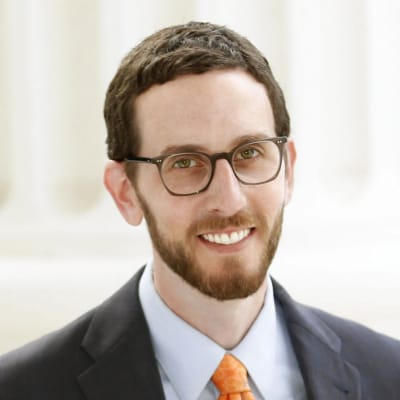
Scott Wiener headshot
Scott WienerState Senator, District 11
Why vote for Scott Wiener?

Scott Wiener's top policy goals are:

1. Build more housing to lower the cost of living

Wiener's strongest argument in this race is simple: he has actually passed pro-housing law at scale. SB 35 forced cities that weren't building enough housing to approve qualifying projects automatically. SB 423 extended and tightened that framework. And SB 79, signed in 2025, legalized mid-rise apartment buildings near major transit stops throughout California. Those laws did not solve California's housing crisis on their own, but they changed the terms of the fight — making it harder for cities to dodge their housing obligations and easier to get badly needed homes approved.

But state law can only do so much. The country is short 8 million homes, and Congress controls the federal tools that decide how housing gets paid for and built — tax credits, Section 8 vouchers, and environmental review rules. Wiener wants to expand housing tax credits, fund rental assistance, reward cities that build, and cut through federal red tape. He treats housing as both a building problem and a rules problem. We need someone in Congress who gets how permitting, timelines, and financing keep homes from getting built.

2. Protect transit and urban infrastructure San Francisco depends on

San Francisco's affordability depends on whether people can get around the city and region reliably. In 2023, Muni and BART were staring down a multi-billion-dollar fiscal cliff that threatened service cuts across the region. Wiener built the coalition that kept both systems running — bringing together labor, environmental groups, suburban counties, business associations, and urban riders to secure $1.1 billion in emergency state funding.

That funding bought time, not a permanent fix. With federal COVID relief exhausted and ridership still well below pre-pandemic levels, Bay Area transit is now facing another fiscal cliff in 2026 — BART alone is staring at a $376 million deficit, and Muni faces 50% service cuts without new revenue. Wiener's response was SB 63, the Connect Bay Area Act, which authorizes a regional sales tax measure on the November 2026 ballot that would generate roughly $980 million per year to stabilize transit across five Bay Area counties. He has done this work twice now — and he is not done.

In Congress, he wants to fix how the federal government funds transit, fight for money to keep trains running (not just build new things), and protect clean energy transit programs from getting cut. Too many politicians talk about transit as branding. Wiener has spent years doing the hard work of keeping it alive.

3. A record of governing, not just campaigning

The next Congress will be a difficult environment for a junior Democratic House member from San Francisco. Wiener's argument for why he can still get things done is credible: he has passed over 100 bills in the state legislature, often against powerful opposition. He has authored major laws not just on housing but also on mental-health and addiction treatment coverage (SB 855) and net neutrality (SB 822). That willingness to pick fights, including with his own party, and the discipline to come back with a revised version when a coalition falls short, is exactly what federal legislating requires.

Why not the other candidates?

Connie Chan has built her political career around opposing things — blocking housing, fighting development, and siding with the most obstructionist factions on the Board of Supervisors. She actively tried to weaken San Francisco's housing plan at a time when the city desperately needed to build more. She has no meaningful legislative accomplishments to point to. Sending someone to Congress whose primary skill is saying no is not what San Francisco needs right now.

Saikat Chakrabarti is running on vibes, not a track record. He talks constantly about his connections to Alexandria Ocasio-Cortez, but you may have noticed that AOC herself hasn't uttered a single positive word about his campaign. There's a reason for that: she fired him. Chakrabarti has been in national politics for years but has no actual record of passing legislation or delivering results for any constituency. San Francisco deserves a representative who has actually done the work, not one who name-drops someone else's.

On other issues

Technology and AI: Wiener authored SB 1047, a first-in-nation AI regulation bill, which was opposed by SF-based tech companies big and small. Governor Newsom vetoed it in 2024. Wiener followed it up with SB 53, a much narrower transparency-focused bill that drew broader industry support. We think the Federal government has a role in setting up AI regulations and guardrails, and think Wiener's approach in California has been somewhat misguided. That said, voters in the tech sector should evaluate his track record on the merits rather than the headline, and importantly, compare him to the alternatives. Both Chakrabarti and Chan would sooner ban AI than regulate it.

Healthcare and treatment: SB 855 expanded mental-health and addiction treatment coverage, and his campaign platform continues to emphasize lower drug costs and broader access to care.

Civil rights and immigration: Wiener has made LGBTQ rights and immigrant protections a major part of his public record. San Francisco voters care about that, and they should.

Public safety: Wiener opposed Prop 36, which GrowSF supported and nearly 70% of California voters passed. His approach to the fentanyl crisis emphasizes treatment access and federal interdiction funding over the accountability measures GrowSF favors. That's a real difference, but it doesn't change the overall calculus in this race.

Scott Wiener has shown he can pass hard laws on the issues San Francisco most needs solved. In a field where his opponents are defined by obstruction or aspiration, Wiener is defined by results. That's why he has our endorsement.

Who's running?

CandidatePartyProfessionQuestionnaire
Scott Wiener
威善高
DemocraticState SenatorRead it
Marie Hurabiell
許曉慧
DemocraticAttorney/Reform AdvocateRead it
Connie Chan
陳詩敏
DemocraticSan Francisco SupervisorNo Response
Saikat Chakrabarti
賽特‧查克拉巴蒂
DemocraticEconomic Policy DirectorNo Response
Paid for by GrowSF Voter Guide. FPPC # 1433436. Not authorized by any candidate, candidate's committee, or committee controlled by a candidate. Financial disclosures are available at sfethics.org.